
IS FREELANCE RIGHT FOR YOU?
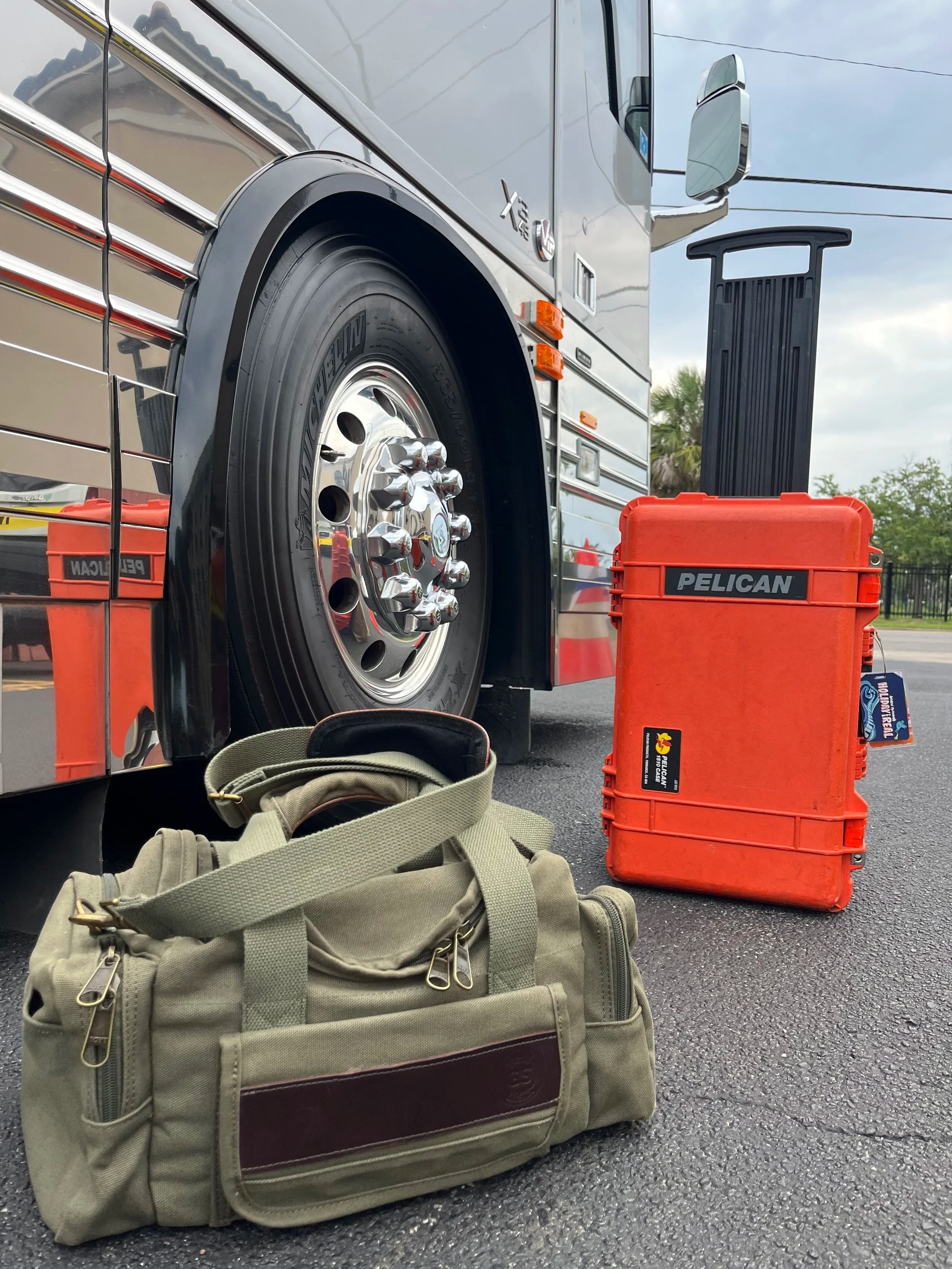
Leaving home to live on a tour bus for several weeks or months isn’t for everyone. Others can’t imagine doing anything else.
Live production jobs come in all shapes and sizes. Many of us are freelance, working gig to gig. Others prefer and manage to find a secure position with guaranteed income and a more structured schedule.
With this, several cliches come to mind:
· Feast or famine
· Save for a rainy day
· When it rains it pours
· Take the good with the bad
· You win some you lose some
Freelance work is not for the faint of heart. There are high highs; when you’re working and making good money, surrounded by a good crew, we love sharing what we’re up to. But every gig ends, and we can just as soon experience the low lows. No one posts from their couch when they’re waiting for the phone to ring after months without work.
To be sure, there are many positives to being freelance, which I’m happy to share. And when I feel it’s a good fit, I’ll urge people to give touring a try. But many people hear the exciting stories, see social media posts glamorizing the lifestyle, and get the false impression that touring is just a paid vacation. It’s important to share the good AND the bad, because people deserve to know the full story so they can make an educated decision before quitting their day job for a life on the road.
Equally important is knowing the realities of a full-time job. For people with families at home, the financial uncertainty and inconsistent schedule inherent in freelance work is not worth the freedoms it provides. But the decision to plant roots and remain in one place with a single employer comes with its own ups and downs. A full-time job typically requires a daily commute and very structured schedule. And when not at the office, you’re often taking calls on evenings and weekends to support clients on tour. For many people who have grown to love the independence of a freelance career, this lifestyle isn’t worth the financial security.
The cliches are true
Most of the cliches you’ll hear will ring true at some point, so let’s explore them.
It’s feast or famine: When we’re generating income on tour, we rest easy knowing our ends will meet and don’t need to scrutinize our account balance. But when one gig ends, we may not know when we’ll see our next paycheck. All the sudden our spending is under a microscope, and the longer we go without work, the more concerned we become. Requiring us to…
Save for a rainy day: As a freelancer, this should be a no brainer. But when we’re working and the money is coming in, we’re quick to forget about the lean periods. I’m guilty of this myself, but it’s so important to create a budget, because it’s not unrealistic to go without work for several months. Whether you’re a financial whiz or bad at money management, I highly recommend speaking with a financial advisor to ensure you’re making smart financial decisions.
When it rains it pours: It’s a cruel trick the universe likes to play, and I’ve experienced it several times in my career. After sitting at home for weeks or months without a single job prospect, we’re suddenly faced with multiple offers, requiring us to choose between more than one. But don’t rush to a decision when this happens, take your time and weigh your options.
Considerations when offered a gig
Of course, pay rate matters, but money should not be your only consideration. We must also think about:
Job longevity: If the pay is great but the gig is short term, maybe it’s less desirable than something with a lower rate but more work over time.
Networking: The best way to get a gig is still word of mouth, and being on tour is prime networking. If you have the choice between more than one tour, consider which offers the most potential for career advancement. Working for a headlining act seems ideal, but working for the opening band is a great chance to network and work alongside industry pros you may not have regular access to.
Resume builder: You also want to consider the work experience you’ll gain on a tour. Here again, working for the headlining artist on a club tour for great pay may seem like the best option. But say you hear of a potential gig that requires previous arena level experience. If you’ve been touring with the support act on an arena tour, you’ll be a viable candidate.
Quality of life: If it’s a touring gig; will you be in a van or a bus? Will you share a hotel room with someone or get your own? Will you be in a nice hotel or a two-star road side motel? Are they providing good food options each day, or are you on your own? Is the per diem realistic to sustain you in the cities you’ll be working?
Workload: If you’re an overworked crew of one, working long hours with few days off, you’ll eventually burn out from exhaustion. You’re also more likely to get hurt or perform poorly under these conditions. Even when the pay is amazing, no gig is worth it if it’s unsustainable or potentially dangerous.
Eventually, some of the other cliches come into perspective. We must take the good with the bad when we’re offered gigs. Sometimes even though a job doesn’t check all the boxes for us, we must accept the offer. Maybe it is a good networking opportunity, or a position that will allow us to learn a lot. Or maybe we just need to ensure the bills are paid. As long as there isn’t risk of injury or loss of integrity, sometimes we take a “bad” gig, which will ensure we cherish and appreciate the “good” ones even more.
More cliches ring true
There are plenty of times as a freelancer when we speak with someone about a job that we really want, we feel we’re a shoe in for the position, but for whatever reason they go with someone else. This can be tough, but it’s important to remember in these situations that not getting the offer doesn’t necessarily mean they didn’t like you, or that you were underqualified. Several times in my career as a production manager, I’ve spoken with multiple people about a single position and been lucky to have more than one viable candidate. Sooner or later though we must decide, and choosing one person also means the others don’t get the job. As the person responsible for filling a position, this is a good problem to have. It’s better to have several great choices rather than taking the best of the worst. But as a potential candidate, it can be tough to be passed up for an opportunity. But you win some and you lose some, and other opportunities will eventually come